Photo: Herry Wibisono ( herryway ) / Wikimedia Commons (CC0)
Free Bakery North Loop in Austin gives away pastries at a monthly gathering, according to NPR’s November 25 feature. Organiser Sarah Mason started the event in September 2025 after baking more than she could give away at work. The story also follows a Seattle bakery founded in 2021. The shared idea is free food and a meeting point, but this is not a daily shop listing or a promise that every drop has the same menu, hours or dietary options.
Key facts
NPR describes the Austin event as a first-Sunday monthly gathering at Bruning Green in North Loop.
Mason began the Austin bakery in September 2025.
The Seattle example began in 2021 and celebrated five years in October.
The report’s Austin photographs show a September 6 event, not a newly scheduled November drop.
What does free mean at this bakery?
NPR’s feature describes an Austin park gathering where the baked goods are given away rather than sold. Sarah Mason began Free Bakery North Loop after improving her pastry skills left her with more food than she could share through work. The first event offered around 150 items, and a social-media post helped draw a queue.
The model resembles a Little Free Library in its emphasis on sharing, but it is not necessarily a permanent box or a conventional retail bakery. The Austin example is a scheduled park event. Readers should not assume that a feature about generosity also supplies a live inventory or a daily opening-hours listing.
Why people stay after collecting a pastry
Mason tells NPR that the park setting left room for people to spread out and do more than collect food. Visitors described talking in the queue and returning because the event gave them a place to meet neighbours. Those accounts explain how a baking surplus developed into a social occasion.
The distinction is between a reported experience and a measured social outcome. The interviews do not prove that free bakeries reduce loneliness by a particular amount or resolve political division. They show why participants in these particular gatherings value conversation as well as the pastry itself.
The Seattle story shows a different format
NPR also follows Lanne Stauffer, who began a Little Free Bakery in Seattle in 2021 after receiving an unexpected bouquet during the pandemic. She used baking as her own form of neighbourly kindness and had a pickup box built. Her first 50 small apple pies were gone within an hour, according to the report.
Five years later, visitors describe making the gathering part of their weekly routine. That is different from Austin’s monthly park format. The shared label therefore does not mean each organiser follows identical hours, locations or methods. A reader trying to attend needs the local organiser’s current information.
What the menus and photographs tell us
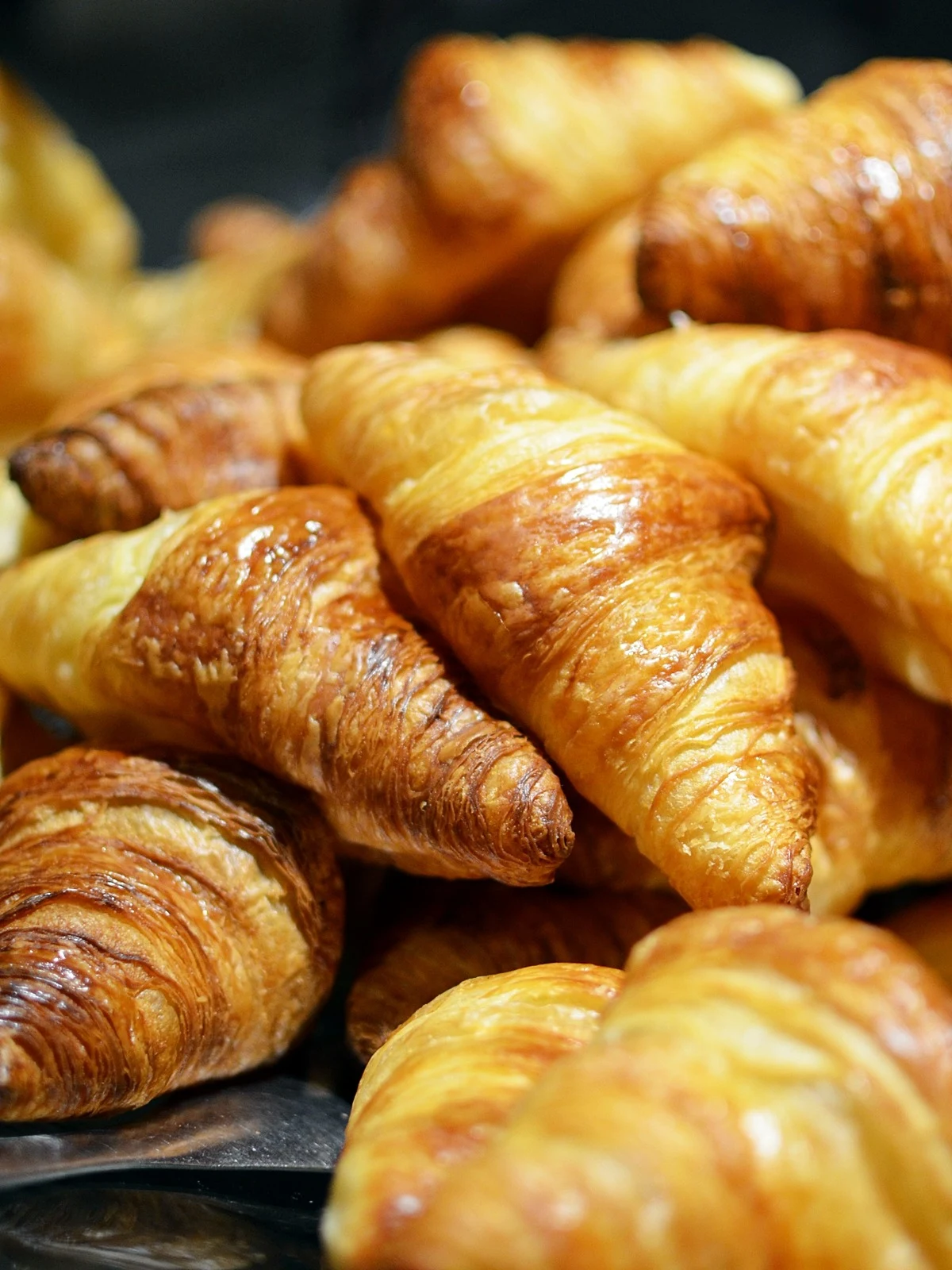
The Austin September event featured examples such as cookies, croissants and savoury scones. The photographs and observations in a November-published feature can document an earlier gathering. They are not an announcement that those exact items will be available at the next one.
Likewise, the story does not provide a universal ingredient, allergen or dietary standard for the wider movement. Someone with a food allergy should ask the actual baker about ingredients and handling rather than infer safety from the fact that food is free. That is a practical question to check, not an allegation about either featured organiser.
What another neighbourhood can take from the idea
The NPR report describes other free bakeries appearing in several US cities and organisers sharing stories and recipes. The common thread is a small, repeatable act that gives people a reason to meet. It does not depend on every event recreating a 150-item opening or the same park setting.
For someone inspired to organise one, the feature is a starting point rather than a permit or food-safety manual. Local requirements, ingredients, location and a realistic schedule still need to be checked. For someone simply planning a visit, confirm the next drop with the organiser; the published feature does not guarantee the date, stock or menu.
Frequently asked questions
Do visitors have to pay for pastries?
The Austin pastries described by NPR / KUT / KNKX are free. The report presents a neighbourhood giveaway, not a normal paid bakery counter or a government benefit with stated eligibility rules.
Is the Austin bakery open every day?
No. NPR / KUT / KNKX describes the Austin event as monthly, on the first Sunday. Confirm the organiser’s current announcement before travelling; the feature is not a live schedule.
What makes these gatherings different from collecting a free item?
Visitors and organisers interviewed by NPR / KUT / KNKX describe conversation, repeated visits and time spent together after collecting food. Those are reported experiences, not a measured claim about every free bakery’s impact.
Can I assume every neighbourhood drop has the same menu or dietary options?
No. The feature shows different organisers, formats and past menus. It does not establish standard dietary or allergen options; ask the actual baker about the food available.
At a glance
| Example | Format in the report | What to confirm locally |
|---|---|---|
| Austin North Loop | Monthly first-Sunday park gathering | Next date, location and available menu |
| Seattle example | Pickup-box bakery with a recurring gathering | Current drop schedule and stock |
| Both | Free pastries and neighbourly contact | Ingredients and dietary needs |
| November feature | Reporting includes earlier events | Publication date is not the next event date |
Sources and editorial notes
This briefing synthesises the linked primary and reporting sources below. Allegations, forecasts and early research retain their stated scope and qualifications.
- NPR / KUT / KNKX (reporting)
November 26, 2026: Original English synthesis of the sources linked here, with reader questions selected before drafting. Source publication dates are retained separately. This is an attributed compilation, not a claim of original interviews, on-scene reporting or specialist review. November 25, 2026: Added visible open-license photography credit beneath the article cover.